Mole Or Skin Tag Elimination
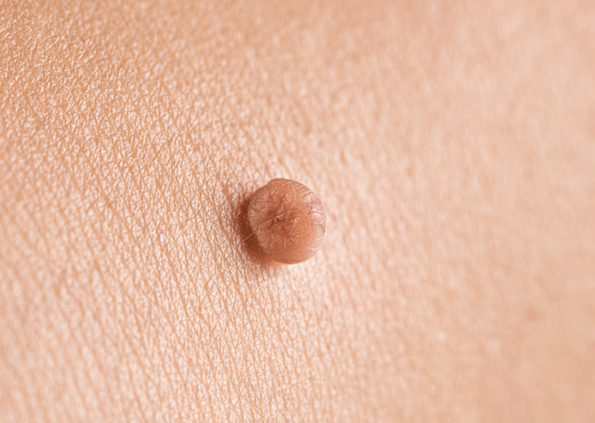
Mole Vs Skin Tag: Find The Difference & Recognize Your Skin Skin tags or acrochordons are non-cancerous, painless, and harmless developments that are typically the specific shade of your skin. Threat variables can include weight problems, maternity, diabetic issues, human papilloma virus, unlawfully usage steroids, and a history of relative obtaining skin tags. Protuberances are rough, raised growths that can appear on any part of the body. They often have a rough structure and may consist of black dots, which are small, clotted blood vessels. Moles are triggered by the human papillomavirus (HPV), which can go into the skin through cuts or abrasions. There are many different kinds of protuberances and recognizing which verruca type you have can result in treating the wart the right way. If you are unclear regarding the nature of any type of skin growth, it is advised to get in touch with a skin specialist for a proper diagnosis and treatment plan. They can offer as pigmented moles that have several colors or irregular edges, red lesions that are not healing, or hemorrhaging or itching developments. Skin cancers can establish anywhere on the skin, in the eye, and in the mouth. It is best to see your skin healthcare provider to identify and treat any type of lesions you have questions about. Have you ever discovered a small growth on your skin and asked yourself, "Is that a mole or a skin tag?" You're not alone! Many people discover it challenging to tell the difference between these typical skin attributes.
- Nonetheless, some might expand big sufficient to create discomfort or influence vision, eyelid motion, and other vital functions.
- Fortunately, if you're without a doubt worried about your skin tags, there are means to deal with them.
- Cysts occur mainly on the face, eyelids, neck, ears, and body.
Can A Cyst Be Hard Like Bone?
Can you ice up a mole off like a skin tag?
Moles prevail skin developments. While lots of people pick to leave them untreated, others may find them cosmetically unwanted. For those seeking elimination, freezing moles & #x 2014; typically described as cryosurgery or cryotherapy & #x 2014; is a popular approach. It can quickly and successfully reduce the appearance of moles on the face.
Moles, Freckles And Skin Tags-- What To Fret About
Birthmarks appear as the name recommends, at birth or quickly afterward. They are generally safe but can be cosmetically unwanted or bring about a hidden issue if they proliferate. Genes play a significant role in both the growth of moles and skin tags. If you have a family members history of various moles or irregular moles, you are most likely to develop them on your own. Similarly, if your moms and dads or siblings have a background of skin tags, you might be more prone to developing them as well. Recognizing your family background can assist you be more watchful regarding skin checks and early discovery. Seborrheic keratoses are benign skin lumps that prevail in grownups and the senior. They are normally brownish, black, or light tan and usually don't call for therapy. These are precancerous growths and if they are not entirely eliminated they will certainly reoccur and can become squamous cell cancer. The outcomes of the biopsy will certainly aid the dermatologist establish whether the development is benign or cancerous and guide further treatment. Melasma is a specific form of hyperpigmentation generally appearing as large, balanced spots on the face. Learn about Cryosonic’s Cryopen technology There are many alternatives available including laser therapies, topical lightening lotions, and surgical removal. It is best to talk to your skin care provider on the diagnosis and administration of your condition. Skin tags are extremely typical and normally take place after midlife. Blemishes are uncommon skin responses to the presence of human papillomavirus (HPV). The typical sore is scaly, rough, and dry, with distinctive margins. Pigmentation is normally normal, so it might be skin-toned, tan, brown, or pinkish-red in color. It usually doesn't itch or trigger discomfort unless hit traumatically or superinfected by microorganisms. Skin tags do not repeat after removal unless you have a clinical condition that makes you vulnerable to their formation.